Why 'parfum' or 'perfume' or 'fragrance' might be a hidden skin nightmare
Here is the uncomfortable reality: Manufacturers are not required to disclose the individual ingredients that make up their signature fragrances.
by crapfree.co.uk
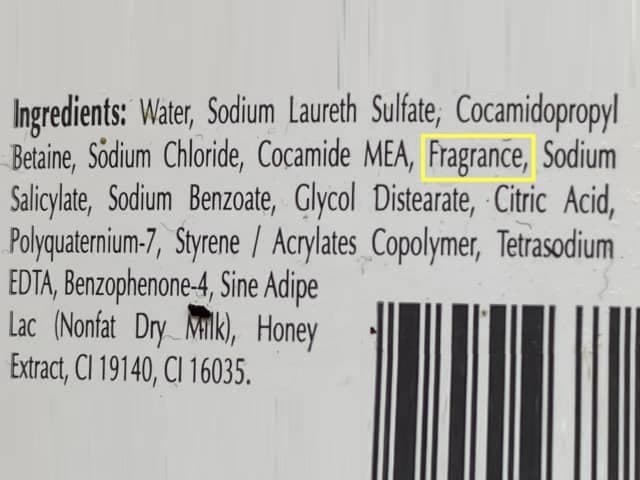
The Hidden Truth Behind Your Favorite Scents: Why "Fragrance" is a Red Flag
We all love that fresh, clean feeling. Whether it’s the invigorating citrus scent of your morning shower gel, the calming lavender in your shampoo, or the "ocean breeze" of your daily deodorant, fragrance is an integral part of our self-care routines.
But have you ever looked at the ingredient label on the back of your favorite bottle? You’ll likely see one word appearing again and again: Parfum, Perfume, or Fragrance.
It looks harmless enough—a simple, elegant way to describe the scent profile of a product. But behind that single word lies one of the biggest, most overlooked loopholes in the personal care industry. The "Trade Secret" Blindfold
Here is the uncomfortable reality: Manufacturers are not required to disclose the individual ingredients that make up their signature fragrances.
Under current regulations, fragrance formulas are considered "trade secrets." Companies are legally allowed to hide hundreds, sometimes thousands, of individual chemical compounds behind that single word on the label. Because they are legally protected as proprietary information, you—the consumer—are kept in the dark about what you are actually absorbing through your skin.
The Loophole That Hurts
It gets worse. Not only can companies hide their ingredients, but the regulatory system often fails to account for the "cocktail effect" of these chemicals.
In many jurisdictions, manufacturers are legally permitted to include trace amounts of substances that might otherwise be highly regulated or even banned in other contexts. When these chemicals fall below a certain percentage of the overall formula, companies can slip them in without declaring them.
While a tiny amount of one chemical might seem negligible in isolation, the cumulative impact of these "undetected" ingredients across every soap, shampoo, lotion, and deodorant you use daily is a different story. For many people, this hidden chemical mix is the root cause of:
• Chronic skin irritation and dermatitis. • Respiratory issues and asthma triggers. • Hormonal disruptions. • Unexplained headaches and migraines.
Why Are They Cutting Corners?
It’s rarely about malice; it’s about economics. Developing natural, high-quality botanical scents is expensive and research-intensive. Synthetic chemicals, on the other hand, are cheap, shelf-stable, and incredibly potent. For a company looking to cut corners and maximize profit margins, "Fragrance" is the perfect umbrella term to use while sourcing the most affordable synthetic compounds available.
How to Protect Yourself
You don’t have to sacrifice smelling good to stay safe, but it does require becoming a more conscious consumer. Here is how you can take back control:
- Look for "Fragrance-Free" or "Unscented": Make the distinction. "Fragrance-free" usually implies nothing was added to mask or enhance scent, while "unscented" can actually be a chemical mask used to hide the smell of other raw ingredients.
- Seek Transparency: Look for brands that are "Fragrance Disclosure" proponents. These companies voluntarily list every compound used in their scent profiles, showing they have nothing to hide.
- Choose Essential Oils: Look for products scented exclusively with pure essential oils. While even natural oils can cause sensitivities in some, at least you know exactly what is in the bottle.
- Audit Your Routine: We often use 5–10 fragranced products before we even leave the house. Try cutting down to just one or two and prioritise clean, transparent brands.
The Bottom Line: Your skin is your largest organ, and it’s remarkably absorbent. It’s time we stopped treating the word "Fragrance" as a pass and started demanding the transparency we deserve. You have the right to know exactly what you’re putting on your body—every single day.