
A Black Gold of Everyday Life
When you first see a jar of activated charcoal powder, its deep, matte black seems to swallow the light—a tiny, edible night sky that promises mystery, magic, and a hint of the forbidden. Yet beneath that inky surface lies a story as old as fire and as modern as a smartphone detox, a tale of transformation, absorption, and the quiet power of a material that can turn the mundane into the extraordinary.
The result is a powder that, despite its humble appearance, is a jack‑of‑all‑trades in the modern household:
- Detox for the Body – In emergency rooms, a single dose of activated charcoal can bind to toxins, preventing them from slipping into the bloodstream. In the kitchen, a spoonful in a smoothie is touted (with caution) for its ability to “cleanse” the gut, though the science is still a conversation between doctors and wellness enthusiasts.
- Purifier of Water and Air – The same porous matrix that latches onto poisons in the stomach also captures contaminants in water filters, chlorine in aquarium tanks, and volatile organic compounds that would otherwise spoil the air we breathe. A filter packed with this black dust can turn a murky river into a glass of drinking water, or a smoggy city street into a breath of fresh air.
- Aesthetic Alchemy – From matte lipstick that gives the lips a dramatic, smoky sheen, to the deep black icing on a wedding cake, the powder lends an air of sophistication and intrigue. Even artists have embraced it, using the pigment to create charcoal sketches that seem to emerge from the page, shadows made tangible.
- Dental Drama – Toothpastes and powders infused with activated charcoal promise to whiten teeth by adsorbing surface stains. While the efficacy varies, the visual appeal—imagine brushing with a substance that looks like cosmic dust—has made it a staple on many bathroom shelves.
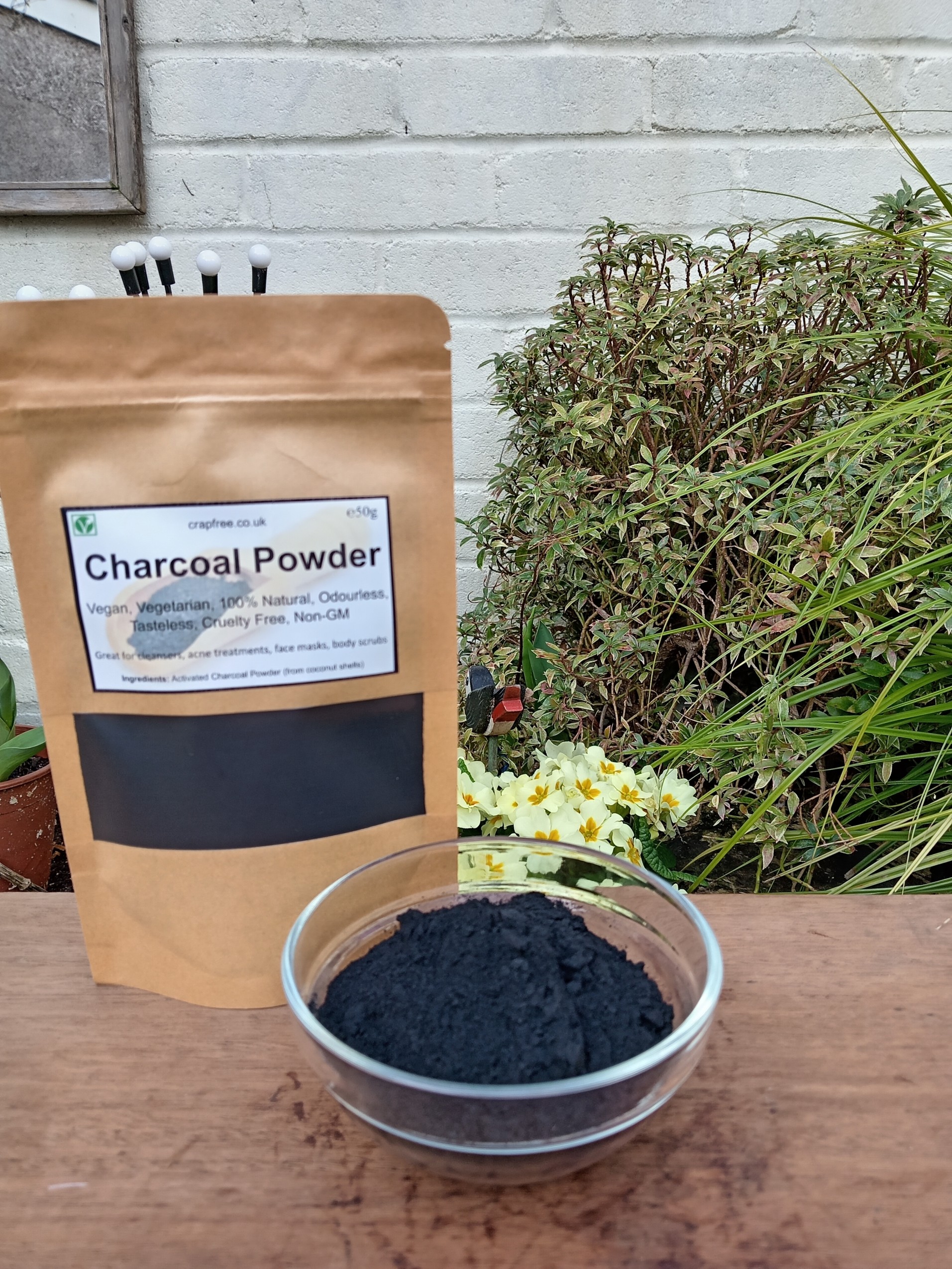
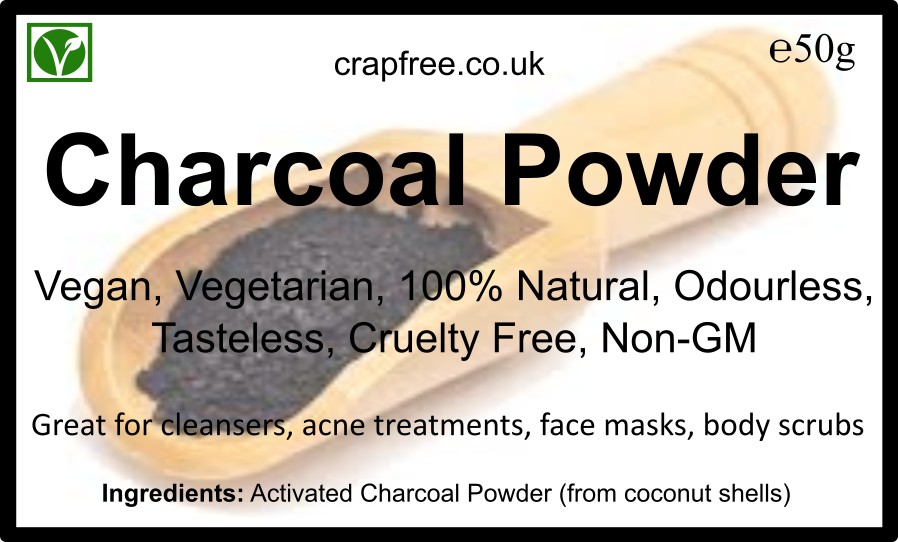
- Skin Benefits – Activated charcoal powder is often used in cleansers, acne treatments, face masks and body scrubs. Activated carbon is used in skincare products to remove blemishes, excess oil, toxins and impurities from clogged pores. It is suitable for all skin types, especially oily skin and acne prone skin.
The Science of Absorption
What makes activated charcoal such a voracious sponge? The answer lies in adsorption, not absorption. Rather than soaking in a liquid like a towel, the carbon’s porous surface captures molecules on its exterior. Each pore acts like a tiny magnet, pulling in substances via Van der Waals forces, electrostatic attraction, and even a bit of chemical affinity.
Because the pores range from micropores (less than 2 nanometers) to mesopores (2–50 nanometers) and macropores (up to 100 nanometers), activated charcoal can handle a wide spectrum of invaders: from the tiniest gases to larger organic molecules. Think of it as a highly selective nightclub—only the right guests get in, and once they do, they’re stuck on the dance floor.
What is activated charcoal powder?
Activated charcoal powder may appear as just a dark dust, but it is a testament to humanity’s ability to harness nature’s hidden structures. From life‑saving medical interventions to everyday beauty rituals, its porous heart works silently, adsorbing, filtering, and protecting.
Charcoal powder is a black carbonaceous material obtained from the heating of Coconut shells. There is a cheaper Charcoal on the market made from Willow but it is not as absorbant as the Charcoal made from Coconut shells.
crapfree activated charcoal is sourced from coconut husks. This is an environmentally friendly product, as the Husks are a by-product / waste so no trees or Coconuts are processed specifically for this ingredient. Activated Charcoal produced from Coconut shells has a greater absorbancy than the commonly substituted Willow charcoal.
Activated charcoal powder is a fine black powder, and is derived from grinding coconut shells. It is a form of charcoal that’s been treated to have an incredibly high amount of surface area.
It is processed in high temperatures up to 1000 degrees and then purified with steam to remove any contaminants, resulting in activated carbon also known as activated charcoal.
A simple, effective charcoal and bentonite clay face mask can be made by mixing:
- 1 tsp of bentonite clay,
- 1/2 tsp of activated charcoal, and
- 1-2 tsp of water or apple cider vinegar or Aloe Vera Gel or honey to form a paste.
- Optional: 1-2 drops of Tea Tree or Lavender essential oil
This mask draws out impurities, oils, and toxins, typically requiring 10-15 minutes to dry before rinsing.
Instructions:
- Mix Ingredients: In a small glass or wooden bowl, combine the clay and charcoal. Avoid metal spoons or bowls, as they can reduce the effectiveness of the bentonite clay.
- Add Liquid: Add the liquid slowly, stirring until a smooth, thick paste forms.
- Apply: Apply a thin layer to a clean face, avoiding the eye area.
- Dry & Remove: Let the mask sit for 5-10 minutes, or until it feels slightly tacky. Do not let it dry completely to avoid extreme skin tightening and redness.
- Cleanse: Gently remove with a warm, damp washcloth and follow with moisturiser.
Tips for Success:
- Stain Warning: Activated charcoal can stain fabrics and counters; use old towels and wear an old shirt.
- Acne-Prone Skin: Use Apple Cider Vinegar instead of water to help balance skin pH.
- Sensitive Skin: Use Aloe Vera gel or water to keep the mask gentle.


Reviews
There are no reviews yet.