Why chemicals are shortening your lifespan
We smooth preservatives into our skin twice daily, yet we'd baulk at swallowing them. Here is why it’s time to take a closer look at the labels on your bottles.
by crapfree.co.uk
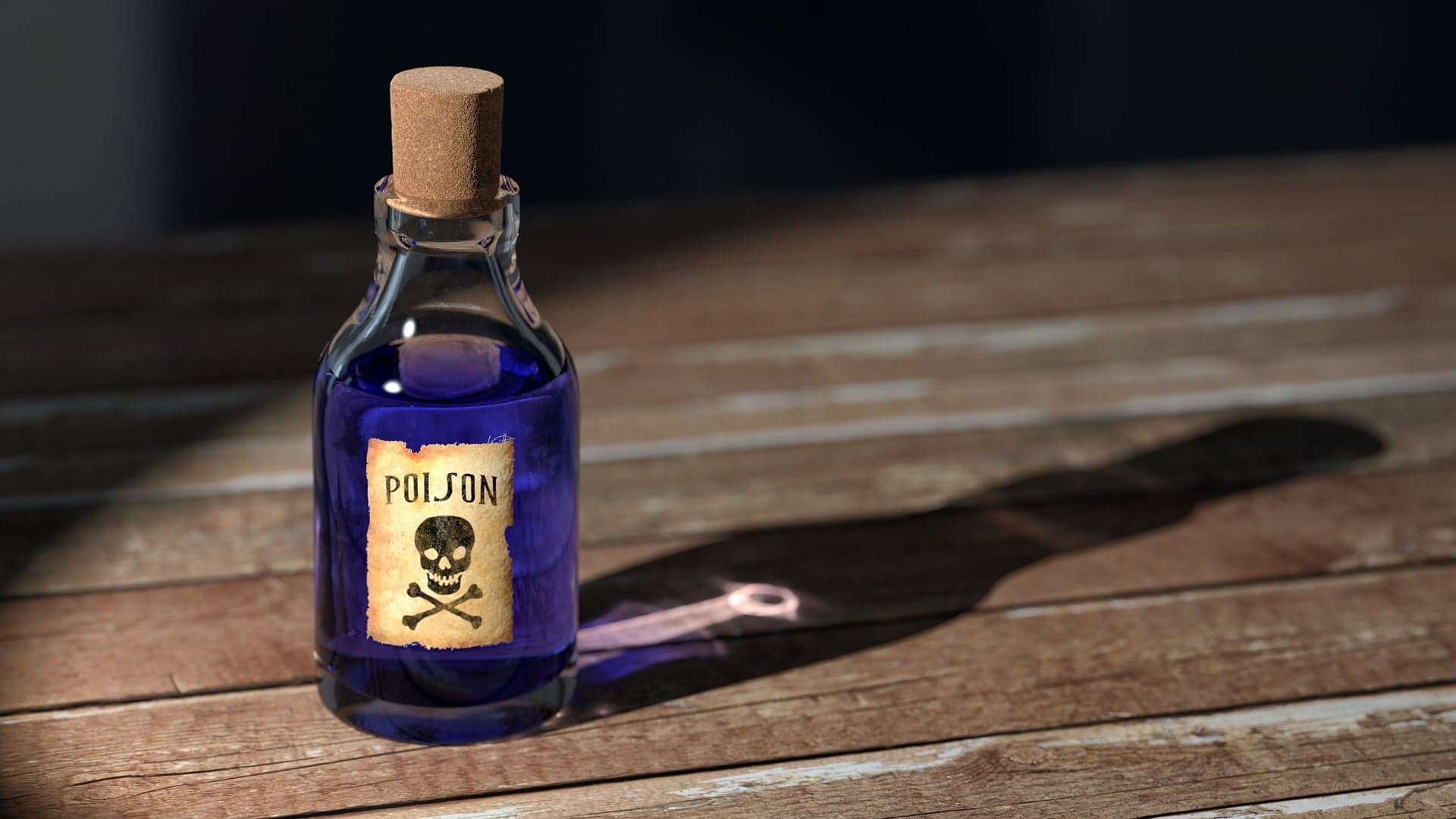
The slow leak in your bathroom cabinet: Are Your Beauty Products Shortening Your Lifespan?
We all have that "holy grail" shelf in our bathroom. The serums that promise eternal youth, the lotions that promise velvet-soft skin, and the fragrances that define our personal brand. We invest time and money into these products, trusting that if they’re on the shelves at our favourite retailers, they must be safe.
But there is a growing body of scientific evidence suggesting that the "fountain of youth" we keep in our medicine cabinets might actually be doing the exact opposite. From hormone disruptors to carcinogenic contaminants, the chemicals lurking in our daily beauty routines are being increasingly linked to chronic health issues—and potentially, a shorter lifespan.
We smooth preservatives into our skin twice daily, yet we'd baulk at swallowing them. Here is why it’s time to take a closer look at the labels on your bottles.
The Problem: A Toxic Cocktail:
The beauty industry is largely self-regulated. While the FDA monitors cosmetics, they do not have the authority to pre-approve products before they hit the market. Thousands of chemicals are used in beauty products, many of which have never been adequately tested for long-term safety in humans.
When we apply these products, we aren’t just touching the surface. Our skin is a porous organ; it absorbs a significant percentage of what we put on it, sending those chemicals directly into our bloodstream. When you multiply this by a standard routine—shampoo, conditioner, soap, deodorant, face wash, moisturiser, foundation, perfume—the "toxic load" adds up.
The Culprits: What We’re Up Against:
Several classes of chemicals are currently under the microscope for their potential to damage our long-term health:
• Endocrine Disruptors (Phthalates & Parabens): These are the most common offenders. Found in everything from fragrances to preservatives, they mimic or interfere with your body’s natural hormones. Chronic exposure has been linked to reproductive issues, thyroid dysfunction, and an increased risk of certain cancers.
• PFAS ("Forever Chemicals"): Often used in waterproof makeup and long-wear products to improve texture, these chemicals stay in the body for years. They are linked to immune system suppression, liver damage, and various cancers.
• Formaldehyde-Releasers: Found in some hair straightening treatments and nail polishes, these are known carcinogens. Even at low levels, repeated exposure can trigger inflammatory responses.
• Fragrance (The "Catch-All" Term): Because "fragrance" is legally protected as a trade secret, brands don’t have to disclose the hundreds of individual chemicals used to create a scent. Many of these contain synthetic musks and allergens that have been linked to systemic toxicity.
At crapfree we 100% guarantee you that we do not, and will never add Endocrine Disruptors like Phthalates & Parabens, PFAS "Forever Chemicals", Formaldehyde-Releasers or artificial fragrances or perfume.
Why This Impacts Longevity:
You might be thinking, “It’s just a tiny amount of lotion, how much damage can it really do?”
We are aware that the issue isn't a single application; it’s the bioaccumulation and chronic low-dose exposure.
When your body is constantly fighting off endocrine disruptors, it puts your system in a state of chronic inflammation. Inflammation is the silent killer—the root cause of almost every major age-related degenerative disease, including heart disease, Alzheimer’s, and type 2 diabetes. By forcing your liver and kidneys to work overtime to detoxify these chemicals every single day, you are essentially accelerating biological aging.
How to Detox Your Routine:
You don’t need to throw everything out at once, but you can start making smarter choices today. Here’s how:
Read the Labels: If you can’t pronounce it, look it up, even google will highlight the harms and potential harms with most of these chemicals.
Go Fragrance-Free: Synthetic fragrance is one of the biggest sources of toxic exposure. Opt for products scented with pure essential oils or those labelled "fragrance-free", or “unscented”. At crapfree we offer a wide range of body butters, moisturisers, soaps, face oils, beard oils etc in unscented options.
Choose "Clean" Brands: Look for companies that prioritise radical transparency. Brands that offer clean products with minimal ingredients, organic and unscented options like at crapfree.co.uk.
Less is More: The most effective way to reduce your toxic load is to use fewer products. A simple routine with high-quality, whole-ingredient products is often better for your skin and your health than a 10-step chemical regimen.
Small amounts add up:
- Your body encounters hundreds of synthetic chemicals before lunch.
- Safety tests look at single ingredients for weeks, not cocktails for decades.
- The liver has a fixed capacity; it doesn't upgrade with the workload.
Hormones can't tell the difference:
- Endocrine disruptors in fragrance and parabens mimic oestrogen.
- A tiny molecular nudge can rewrite cellular instructions.
- These changes compound silently long before symptoms appear.
Your skin is a doorway, not a wall:
- Underarms and scalps absorb chemicals faster than forearms.
- "Rinse-off" products still leave residues that migrate.
- Warm showers open pores and increase uptake.
The grandfather clause problem:
- Thousands of ingredients were approved before modern safety laws existed.
- Cosmetic regulation still operates on innocent-until-proven-guilty logic.
- Banning a chemical takes years; adding it takes minutes.
Reading labels without the panic:
- If the INCI list reads like a petrol station forecourt, trust your gut.
- "Natural" means nothing; "fragrance" means everything.
- Fewer ingredients means fewer variables for your biology to manage.
The Bottom Line: Beauty should make us feel good, not put our health at risk. By becoming a more conscious consumer, you aren't just protecting your skin—you’re protecting your longevity. The next time you reach for that bottle, ask yourself: Is this worth the long-term cost? Your future self will thank you for the extra few minutes spent reading the label.
Disclaimer: This post is for informational purposes only and does not constitute medical advice. Always consult with a healthcare professional regarding your health and wellness choices.